

Manufacturing
Connect purchasing, materials, inventory, relevant production records and finance, with attention to item structures and transaction accuracy.
Improve customer engagement with our marketing automation services. We segment audiences and automate campaigns to drive engagement and improve conversions.
Give your team a reliable setup for everyday business operations.
Incomplete configuration can make suitable software difficult to use. We configure modules, fields and settings around your requirements so the system supports your everyday activities.
Information spread across spreadsheets is difficult to maintain and review. Prepared records, consistent fields and relevant reports give your team a more reliable view of business activity.
When applications work separately, your team may enter the same information several times. Connecting relevant systems helps information move between them and reduces avoidable copying.
Unclear permissions and record ownership can lead to missed updates or inappropriate access. Defined user roles help people understand what they can access, maintain and review.
An unfamiliar system can leave your team relying on spreadsheets and manual methods. Practical training and a setup aligned with their responsibilities help them use the software more confidently.
More users, locations or responsibilities can stretch your original setup. Plan suitable modules, record structures and access so your systems can support your changing business needs.
Start with the application your business needs most.
Bring purchasing, inventory, sales, finance and relevant operational activities into a connected setup. We help you select and configure the required modules, with consistent records and defined responsibilities across functions.
Give your team a consistent way to manage customer information, enquiries and sales opportunities. We configure customer records, sales stages, ownership and activities so people can see what needs attention and who is responsible.
Prepare your systems for employee administration and payroll processing. We configure employee records, attendance, leave, payroll inputs and related responsibilities so your team can manage information and review it before processing.
You can begin with one application or introduce several systems in phases. If your main priority is redesigning a wider process across teams and applications, explore our Business Process Automation services →
See how a CRM implementation could take shape.
Identify the customer information, sales stages and activities the team needs to manage.
Set up fields, record ownership, user permissions and activity tracking around those requirements.
Review the agreed customer information, resolve duplicates and missing details, and prepare it for import.
Connect agreed enquiry sources and supporting applications so the CRM receives the information it needs.
Check sample records, access, customer handovers and standard reports with the people who will use them.
Train the team using familiar examples and help users begin managing their customer activities in the CRM.
Your operational requirements guide the setup.
Connect purchasing, materials, inventory, relevant production records and finance, with attention to item structures and transaction accuracy.

Organise product records, orders, stock, returns and accounting connections across the channels and locations you manage.
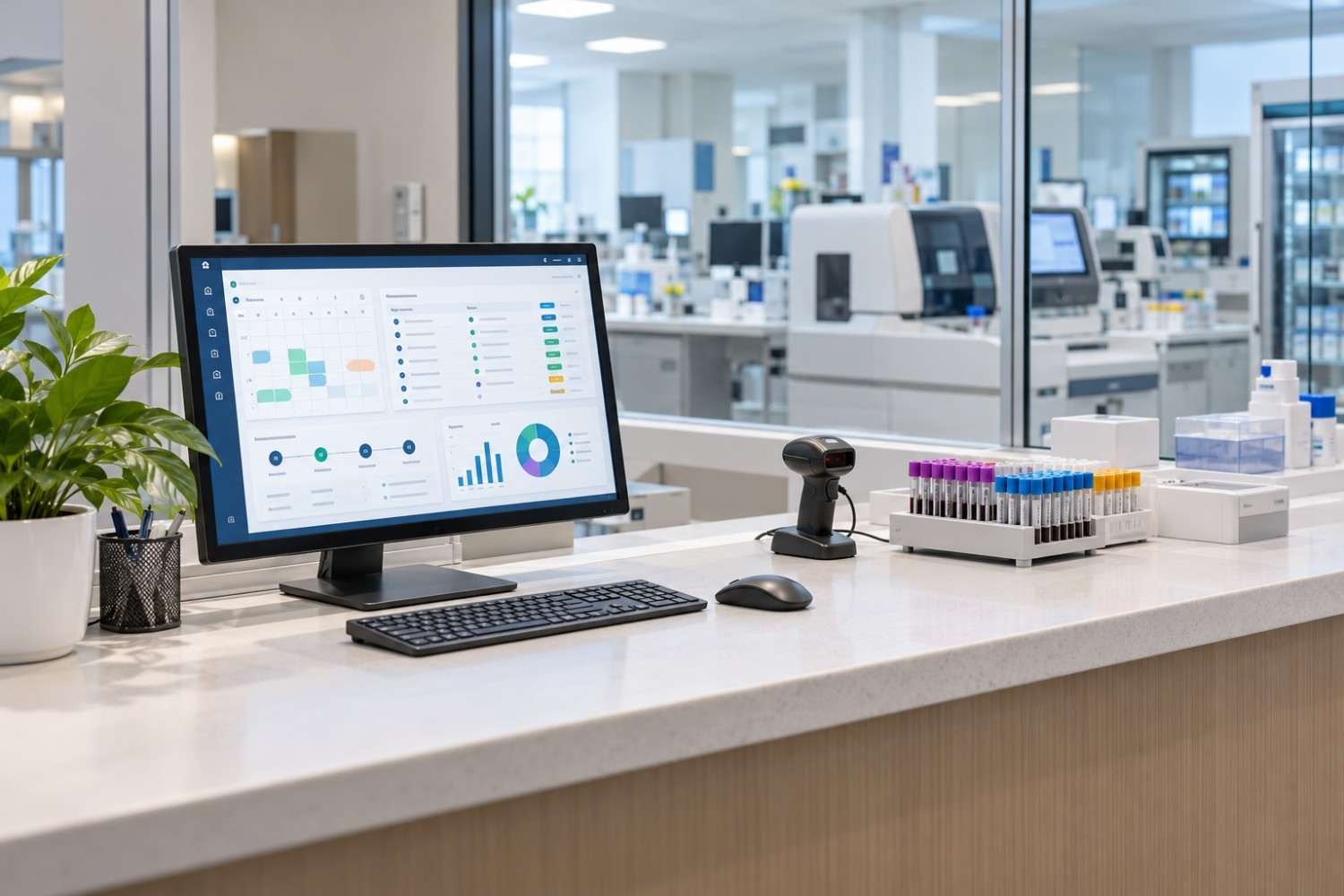
Prepare systems for customer relationships, billing, purchasing and employee administration, with access suited to different responsibilities.

Manage client records, sales opportunities, invoicing, expenses and financial administration around the services you deliver.

Structure client information, service activities, billing and accounting records, with appropriate ownership and access.
Tell us what you use today and where you need help.
Your setup should make sense to the people responsible for it.
We consider the financial and operational meaning of your records and transactions. Configuration decisions need to reflect how your business uses the information.
We look at how the application fits alongside your existing systems. This helps identify dependencies and avoid creating another isolated source of information.
We explain setup choices, limitations and trade-offs in plain language. You can understand what standard features support, where changes may be needed and what those choices mean for ongoing administration.
We consider fit, usability and ongoing costs before recommending a platform.
The application mix depends on what your business needs to manage and how it connects with the systems you already use.

A few practical details before you decide.
Both are possible. You can start with one application or plan a phased rollout across several systems. We recommend a sequence based on business priorities, dependencies and your team’s capacity to participate.
Yes. We can review the current setup, identify gaps and plan suitable corrections. Depending on what we find, this may involve configuration changes, record cleanup, improved connections or clearer guidance for users.
Not necessarily. We first assess whether it can support your requirements. Improving the existing setup may be sufficient. Where there are material limitations, we explain the reasons for considering an alternative.
Historical records may be migrated where the source information is suitable and the destination application supports it. We assess what can be transferred, how it will be checked and what may need to remain available in an archive.
You will need to nominate responsible contacts, provide the necessary information and access, and involve relevant users in decisions and testing. Your team also reviews prepared records, approves key choices and participates in training.
They depend on the complexity of the setup, the condition of your information and the changes required. We prepare an estimate after understanding the requirements. Availability of inputs and timely decisions also affect the schedule.
We identify implementation fees, software subscriptions and relevant third-party charges separately in the proposal. These may include application licences, paid connectors or other services needed for the selected setup.
Any initial launch assistance is defined in the implementation proposal. Ongoing administration, user assistance and issue resolution can be arranged separately, with responsibilities and coverage agreed for the support engagement.
Tell us what you need to introduce or improve. We’ll help you identify a practical next step.
Discuss Your System Needs